
Ground Up Construction loans for Real Estate Investors.
Building from the ground up is a different animal compared to buying an existing property. The financing has to match the project. With having lots of ground up experience personally I can help craft the ideal loan option to help you with your project.
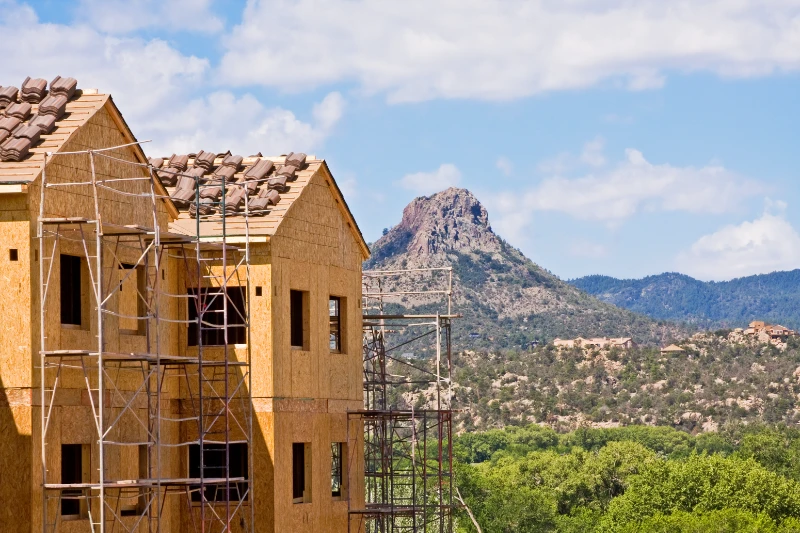
What is a Ground Up Construction Loan?
A ground up construction loan, also known as a construction loan, is designed specifically for financing the construction or renovation of a residential property. Unlike a traditional mortgage, which provides long-term financing, a construction home loan offers short-term funding to cover the costs associated with the construction project. This type of loan is typically provided by banks or other lending institutions and is used to pay for construction materials, contractor labor, and other expenses during the construction phase. Once the construction is complete, the construction loan can be converted into a permanent mortgage or refinance into a traditional mortgage. Construction home loans require detailed plans and architectural drawings, as well as a licensed builder to oversee the project. The loan terms, including interest rates and repayment options, may vary depending on the lender and the borrower’s financial situation. Construction home loans offer a flexible financing option that allows homeowners to fund their construction projects while managing construction costs and ensuring a smooth construction process.
Benefits of Ground Up Construction Loans
Construction home loans offer several benefits to borrowers embarking on the journey of building their dream home. One of the key advantages is the option to seamlessly move from construction to permanent financing with one loan package. This eliminates the hassle of undergoing a separate application process for permanent mortgage financing, saving borrowers time and effort.
Furthermore, construction home loans provide the opportunity to lock in the loan with fixed-rate financing during the construction process. This means that borrowers can enjoy the stability of knowing their interest rate will remain the same throughout the construction phase, protecting them from potential rate hikes in the market.
Another advantage is the flexibility of up to one year to complete the project. Construction projects can be complex and unpredictable, and having the freedom to take the necessary time to ensure the construction is done to the highest standards is invaluable. This flexibility also allows for any unexpected delays or adjustments that may arise during the construction process.
Construction home loans offer borrowers the convenience of combining both the construction and permanent financing in one package, the security of locking in a fixed-rate, and the flexibility of up to one year to complete their project. These benefits make construction home loans an attractive option for individuals looking to build their dream home.
Have questions? Give us a call! One of our mortgage specialists would be happy to answer all of your questions.
Get started today!
Fill out the questionnaire on this page to start a discussion about your mortgage needs today!
Applying for a Construction Home Loan
Applying for a construction home loan can be an exciting and rewarding process for those looking to build their dream home. Before beginning the application process, it is important to understand the various types of construction loans available and how they work. Construction loans typically come in three main types: construction-only loans, construction-to-permanent loans, and owner-builder construction loans. Each type of loan has its own set of requirements and eligibility criteria, so it is essential to work with a knowledgeable loan officer who can guide borrowers through the application process and help them determine the best loan program for their needs.
When applying for a construction home loan, lenders will typically evaluate important factors such as credit scores, income ratios, and financial statements. Meeting the minimum credit score requirements and demonstrating a stable income history are vital for securing approval. Additionally, lenders will assess the borrower’s ability to handle the financial responsibilities of both the construction phase and the long-term financing. Another key consideration is the evaluation of detailed plans for the construction project, ensuring that the architectural and construction plans are feasible and meet all necessary regulations.
During the application process, borrowers will also need to provide information about the construction costs, including materials, labor, and any other related expenses. They may also need to factor in closing costs and any required down payment. It is essential to have a clear understanding of the payment requirements, including the interest-only payment options during the construction period and the transition to regular mortgage payments once the construction is complete.
Overall, applying for a construction home loan involves careful planning, thorough documentation, and attention to detail. By working closely with an experienced loan officer and providing all required information, borrowers can navigate the loan process smoothly and secure the financing they need to bring their dream home to life.
Documentation Needed to Apply for a Construction Loan
When applying for a construction loan, there are several important documents that you will need to provide to the lender. These documents are necessary for the lender to assess the feasibility and viability of your construction project.
First and foremost, you will need to submit detailed architectural plans and drawings of the proposed construction. These plans should include the design and layout of the structure, as well as any landscaping or exterior features. The lender will review these plans to ensure that they meet building code requirements and comply with all necessary regulations.
In addition to the architectural plans, you will also need to provide builder’s certifications. These certifications verify that the builder or contractor has the necessary qualifications and experience to complete the construction project. This helps to ensure that the work will be done professionally and up to standard.
Building code compliance is another crucial aspect of documentation for a construction loan. You will need to provide evidence that your construction plans meet all relevant building codes and regulations. This can include certificates of compliance, inspections reports, and permits.
A detailed construction budget is also required when applying for a construction loan. This budget outlines all the expected costs associated with the project, including materials, labor, and any additional expenses. The lender needs this information to assess the feasibility of the project and determine the appropriate loan amount.
A schedule for periodic inspections is typically required. This schedule outlines when inspections will be conducted throughout the construction process to ensure that the work is progressing as planned and meets the necessary standards.
In summary, the documentation needed to apply for a construction loan includes architectural plans and drawings, builder’s certifications, building code compliance documentation, a detailed construction budget, and a schedule for periodic inspections. Providing these documents helps the lender evaluate the project and determine the loan amount.
Finding a Lender and Choosing the Right Type of Loan
When embarking on a construction project, one of the first steps is finding a lender and choosing the right type of loan for your needs. This process involves careful consideration of various factors to ensure that you secure the financing that best fits your requirements.
Firstly, it is crucial to assess your construction loan needs. This includes evaluating your savings for a down payment, your credit score, and the desired loan amount. These factors will influence the type of loan you can qualify for and the terms and conditions that you can expect.
Next, it’s important to research and compare different lenders. Look for lenders who specialize in construction loans and offer the types of loans that meet your specific needs. Consider their interest rates, as well as any closing costs or fees associated with the loan. It’s also essential to consider their payment options, such as monthly payments or interest-only payment options.
Take into account the types of construction loans they offer. Some common options include construction-to-permanent loans, construction-only loans, and renovation loans. Each type has its own requirements and benefits, so choose the option that aligns with your project goals and financial situation.
In conclusion, when looking for a lender and choosing the right type of loan for construction home loans, carefully assess your needs, research and compare lenders, consider loan types and interest rates, and evaluate payment options. Taking the time to do thorough research will help ensure you secure the financing that best suits your construction project.
Understanding Different Types of Construction Home Loans
When it comes to financing a construction project for your dream home, understanding the different types of construction home loans is essential. These loans offer the necessary funds to cover the costs of building or renovating a residential property. Depending on your specific needs and financial situation, you have various options to choose from, including construction-to-permanent loans, construction-only loans, and renovation loans. Each type has its own requirements, benefits, and payment options, so it’s crucial to carefully consider which loan aligns with your project goals and financial capabilities. By understanding these different types of construction home loans, you can make an informed decision and secure the financing you need for a successful construction project.
Construction Home Loan FAQ
Which loan is best to build a house?
The best loan to build a house generally is a construction loan, which is specifically designed to finance the building of a new home, allowing for interest-only payments during the construction phase and often offering a seamless transition into a traditional mortgage once the home is complete.
What are the disadvantages of a construction loan?
Disadvantages of a construction loan include higher interest rates, stricter credit requirements, and a more complicated approval process compared to regular loans. There’s also the risk of construction delays which can increase costs.
What is the difference between a construction loan and a regular loan?
The primary difference between a construction loan and a regular home loan is that a construction loan is used to finance the building of a new home, with funds disbursed at various stages of the construction process, while a regular loan is used to finance the purchase of an existing home.
Is it cheaper to buy or build a house?
Whether it is cheaper to buy or build a house can depend on a variety of factors including the real estate market, the cost of construction in your area, and your specific preferences and requirements. Generally, building can be more expensive, but it allows for customization.
Frequently Asked Questions
Draws work as you build and and complete construction stages. For example when the foundation is poured, framing is complete, mechanicals are in, and work complete – you request a draw. Typically an inspector will go out to the property and verify the work is complete, and then funds are wired so you can get on to the next phase. In most cases interest is paid on what’s drawn, so your early payments are small and will then grow as the build progresses.
This is case by case but in most instances up to 90% loan to cost not exceeding 75% of the after completion value (ARV/ACV). Both numbers matter. LTC will cap how much of your total project cost will be funded, and the 75% ARV ceiling keeps the loan within a safe percentage of the finished value. Whichever is tighter sets your loan amount, and you cover the rest with land equity or cash.
No you do not. The land or lot can be including on a purchase transaction and if its a refinance you can potentially can a little extra juice in the deal.
The short answer is no- but it is based on the market you are building in. For areas that will require experience you can have an experienced GC or builder that carry the deal to the finish line.
Yes! Absolutely 100% you can. Build-to-rent is definitely trending up over the last few years. The build can be financed with a construction loan, then refinance into a long-term DSCR loan once the property is complete. The DSCR loan refinance qualifies on the property’s rental income rather than your personal income, which makes the transition from construction to a permanent hold clean and easy.
Still Have Questions?
If you can’t find an answer to your question in the FAQ’s above, you can always contact us and we’ll respond asap.
